
 Eilenburger Str. 3 Leipzig
Zahngesundheit bedeutet Lebensqualitat
Wir betrachten Ihre Zahngesundheit als integralen Bestandteil des Wohlbefindens. Gesunde Zähne tragen wesentlich zu einem langen, gesunden Leben bei. Der erste Schritt beginnt hier.
Standort
EYEBROW TITLE GOES HERE
Zahnerhaltung Im Mittelpunkt
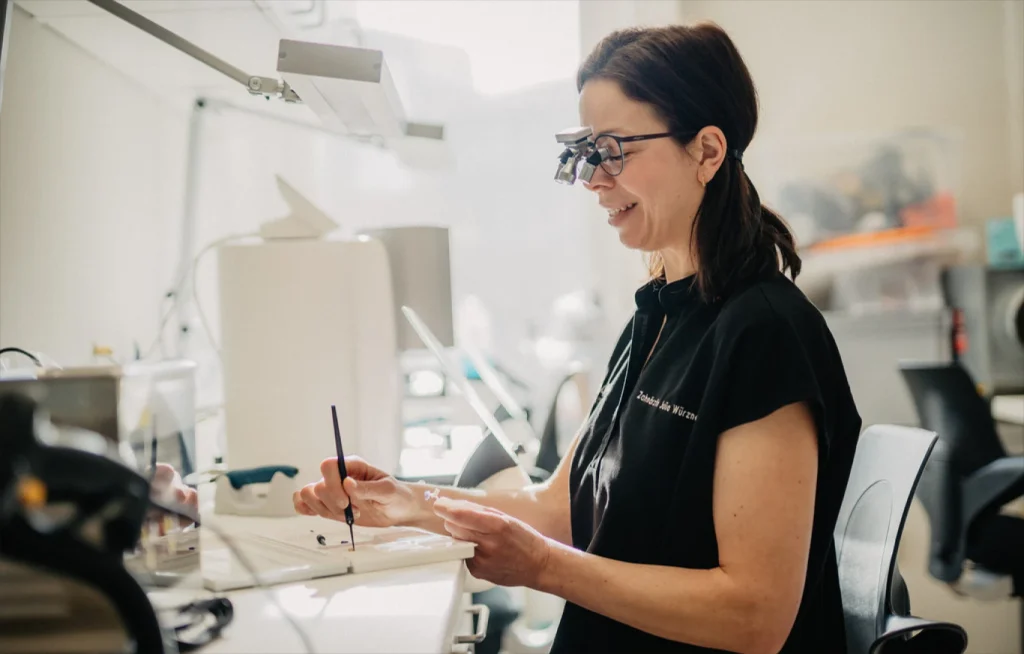
Ihre Zahngesundheit verdient mehr als Standardlösungen. In unserer Zahnarztpraxis in Leipzig verbinden wir moderne Zahnmedizin mit einem klaren Anspruch: die langfristige Erhaltung Ihrer natürlichen Zähne. Durch sorgfältige Diagnostik und strukturerhaltende Therapiekonzepte schaffen wir stabile, funktionelle und ästhetische Ergebnisse.
EYEBROW TITLE GOES HERE
Leistungen im Uberblick
Standort
EYEBROW TITLE GOES HERE
Ihre Vorteile bei uns
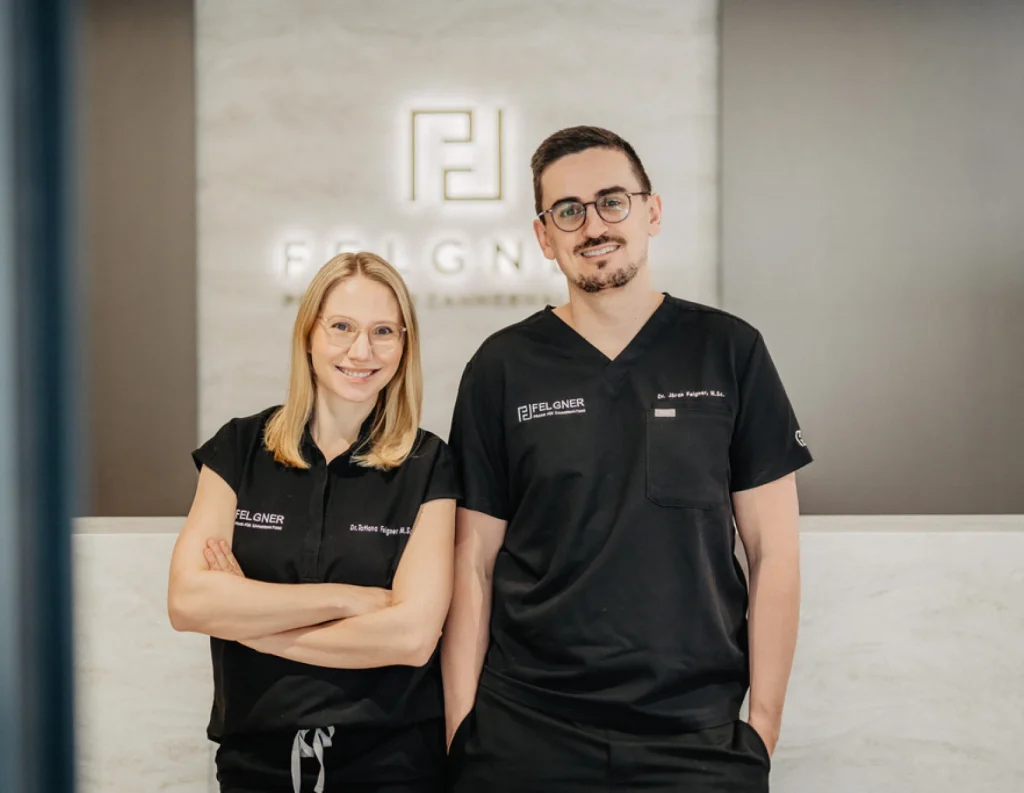
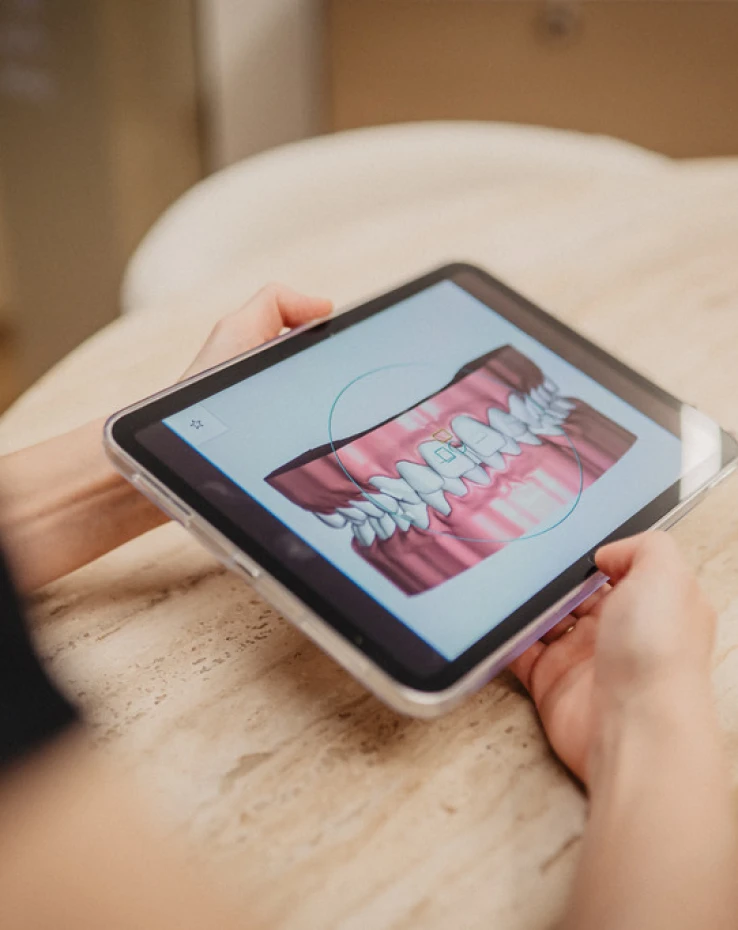
Ihr Wohl steht im Zentrum unserer Arbeit. Präzise diagnostische Verfahren wie der 3D-Scan sind selbstverständliche Instrumente für eine fundierte Planung und langfristige Zahnerhaltung.
Moderne Ausstattung
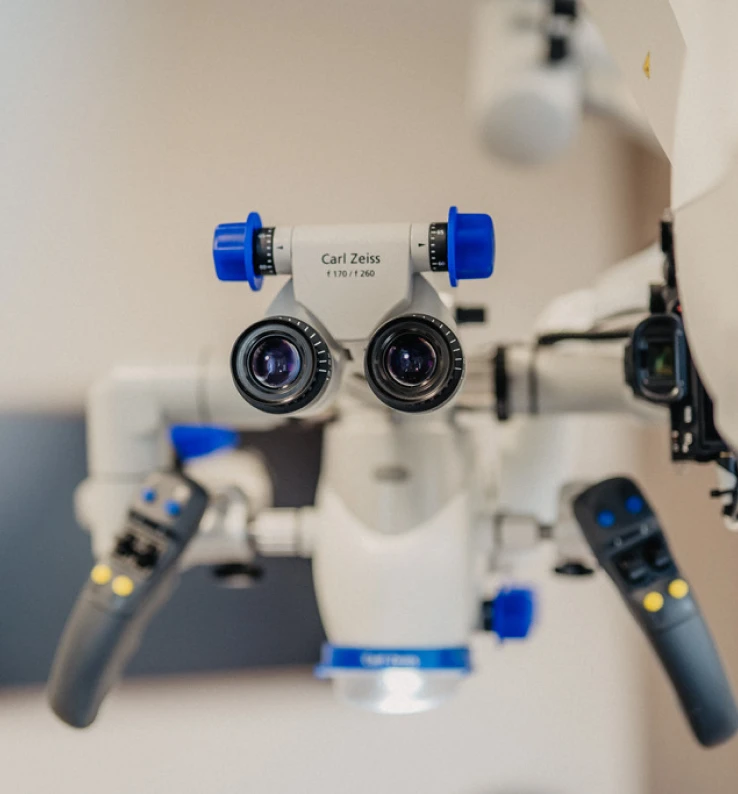
3D-Röntgen, Intraoralscans und OP-Mikroskop als Instrumente für präzise Diagnostik und Therapie.
Spezialisierte Arztinnen
3D-Röntgen, Intraoralscans und OP-Mikroskop als Instrumente für präzise Diagnostik und Therapie.
Minimalinvasive Behandlungen
3D-Röntgen, Intraoralscans und OP-Mikroskop als Instrumente für präzise Diagnostik und Therapie.
Feste Termine
3D-Röntgen, Intraoralscans und OP-Mikroskop als Instrumente für präzise Diagnostik und Therapie.
Leichte Erreichbarkeit
3D-Röntgen, Intraoralscans und OP-Mikroskop als Instrumente für präzise Diagnostik und Therapie.
Leichte Erreichbarkeit
3D-Röntgen, Intraoralscans und OP-Mikroskop als Instrumente für präzise Diagnostik und Therapie.
Leichte Erreichbarkeit
3D-Röntgen, Intraoralscans und OP-Mikroskop als Instrumente für präzise Diagnostik und Therapie.
Leichte Erreichbarkeit
3D-Röntgen, Intraoralscans und OP-Mikroskop als Instrumente für präzise Diagnostik und Therapie.
Leichte Erreichbarkeit
3D-Röntgen, Intraoralscans und OP-Mikroskop als Instrumente für präzise Diagnostik und Therapie.
Leichte Erreichbarkeit
3D-Röntgen, Intraoralscans und OP-Mikroskop als Instrumente für präzise Diagnostik und Therapie.
EYEBROW TITLE GOES HERE
Text Block starts right here and takes around 3000 symbols
Dentistry sits at the crossroads of medicine, prevention, and daily habit, yet it’s often treated as an afterthought until something hurts. Teeth are not static objects; they are living structures supported by complex tissues, nerves, and blood supply. Enamel, the outermost layer, is the hardest substance in the human body, but it is not invincible. Repeated exposure to acids from food, drinks, and bacterial byproducts gradually weakens it, opening the door to decay. Beneath enamel lies dentin, a softer material that transmits sensations, which is why untreated cavities eventually lead to sensitivity and pain.
Oral health is tightly linked to overall health. Gum disease, for instance, is not just about bleeding gums or bad breath. Chronic inflammation in the mouth has been associated with systemic conditions such as cardiovascular disease and diabetes. The mouth acts as both a mirror and a gateway; signs of nutritional deficiencies, infections, or even immune disorders can appear there first. Ignoring oral hygiene is less a cosmetic issue and more a slow compromise of the body’s broader equilibrium.
Daily care remains the most effective line of defense. Brushing twice a day with proper technique removes plaque, a sticky biofilm of bacteria that constantly forms on teeth. Flossing disrupts plaque in areas that brushes cannot reach, particularly between teeth and under the gumline. Mouthwash can support these efforts, but it is not a substitute for mechanical cleaning. Consistency matters more than intensity; aggressive brushing can damage enamel and irritate gums, while gentle, thorough cleaning preserves them.
Diet also plays a decisive role. Frequent snacking, especially on sugary or starchy foods, feeds oral bacteria and prolongs acid exposure. It’s not just what you eat, but how often you eat it. Drinking water, particularly fluoridated water, helps neutralize acids and supports remineralization. Saliva itself is a natural defense system, washing away debris and balancing pH levels. Conditions or medications that reduce saliva can significantly increase the risk of decay.
Regular dental checkups provide more than just cleaning. Dentists assess early signs of problems that may not yet be visible or painful. Small cavities can be treated before they expand, and gum disease can be managed before it leads to tooth loss. Preventive measures such as sealants and fluoride treatments add extra layers of protection, especially for children and individuals at higher risk.
Modern dentistry continues to evolve, incorporating digital imaging, minimally invasive techniques, and improved materials for restorations. The goal is not only to repair damage but to preserve as much natural structure as possible. Still, technology cannot replace basic habits. The most advanced treatment plan cannot compensate for neglect at home.
In the end, maintaining healthy teeth is less about dramatic interventions and more about steady, informed care. It requires attention, routine, and a willingness to treat oral health as an integral part of overall well-being rather than a separate concern reserved for emergencies.